
Your Partner in Bridging Seasonal Feed Shortages
Who We Are?
Empowering Farmers with Sustainable Feed Solutions
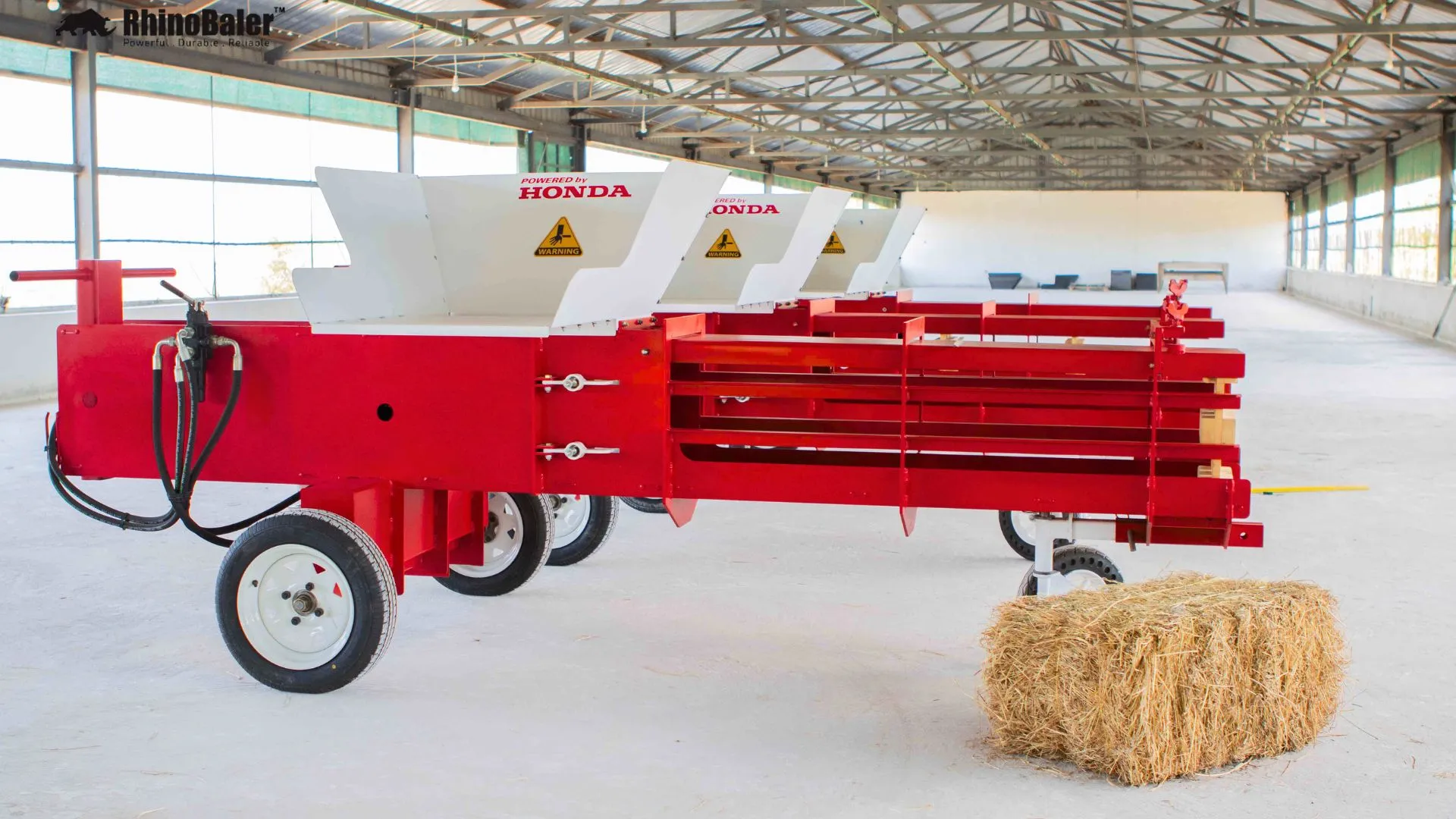
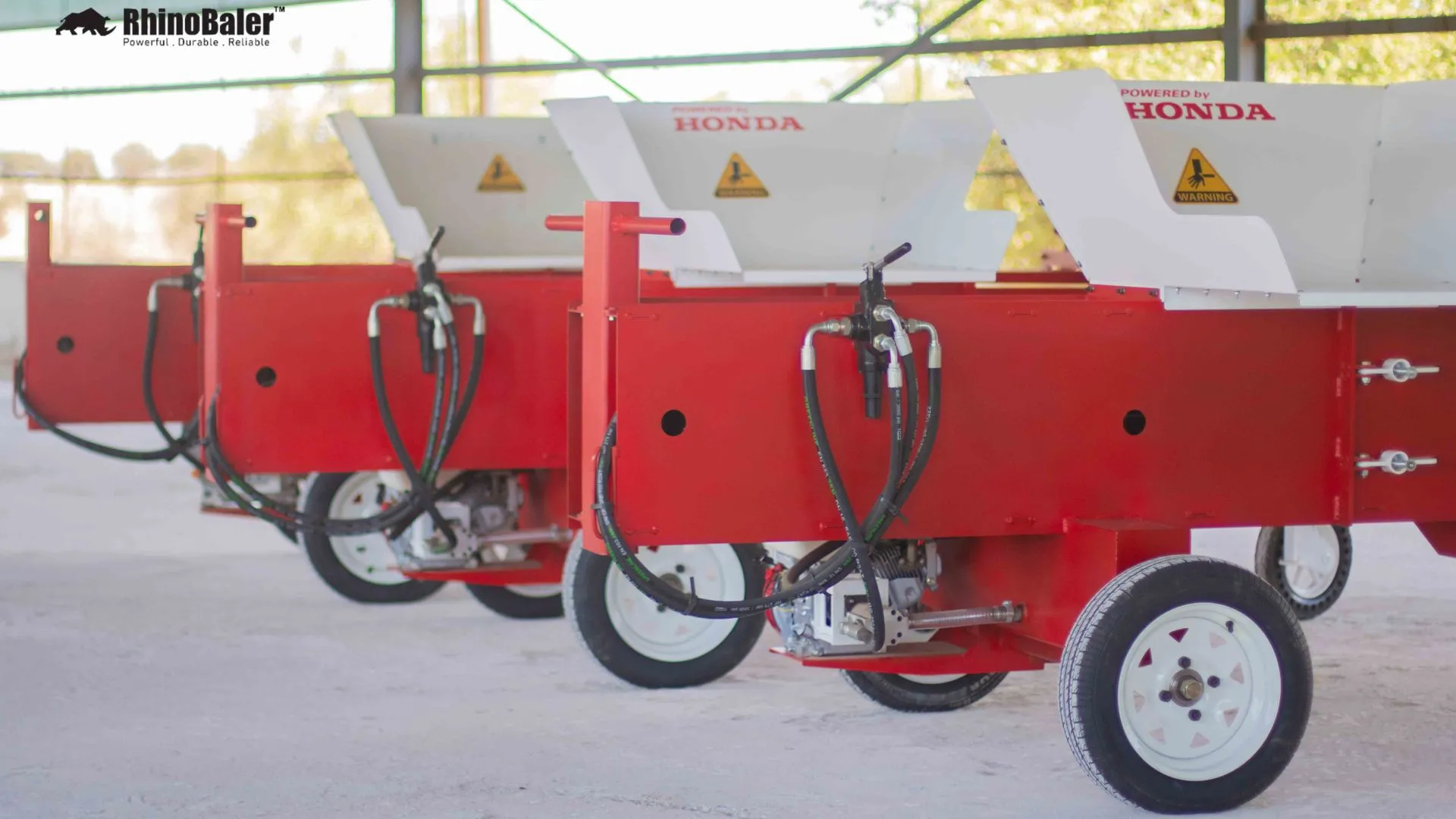
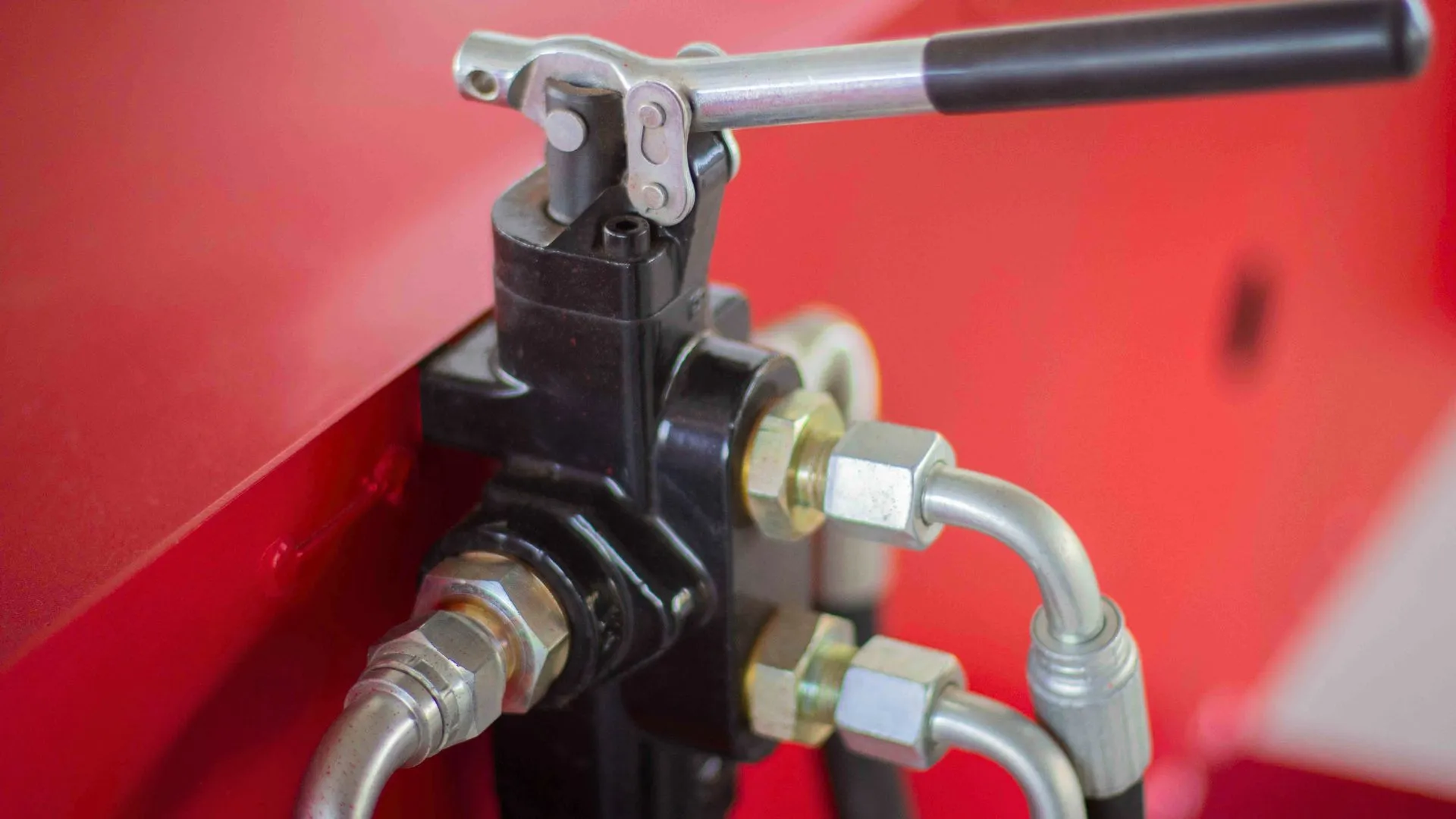
Rhino Baler provides efficient, compact, and standalone feed management technology to smallholder farmers across Kenya and East Africa. Designed for resource-limited environments, the hand-loaded, hydraulic-powered baler, featuring a durable Honda GX200 engine, delivers 20 tons of force to produce 12-16 bales per hour—all without needing a tractor.
Challenge:
Cost-Prohibitive Mechanization
Mechanization has long been out of reach for most subsistence farmers in East Africa. Large, imported balers—like the Massey Ferguson or John Deere models—are priced beyond affordability. A small tractor in Kenya costs upwards of Ksh 4,970,000, while a standard baler will set a farmer back Ksh 2,840,000 for individual farmers or even farming cooperatives, such investments remain a distant dream, locking them into cycles of low productivity, food shortages, and poverty. Without mechanized tools, these farmers must resort to expensive, poor-quality feed during droughts, threatening both their livestock and livelihoods.
SOLUTION:
Affordable, Powerful, and Self-Sufficient Baling Machine
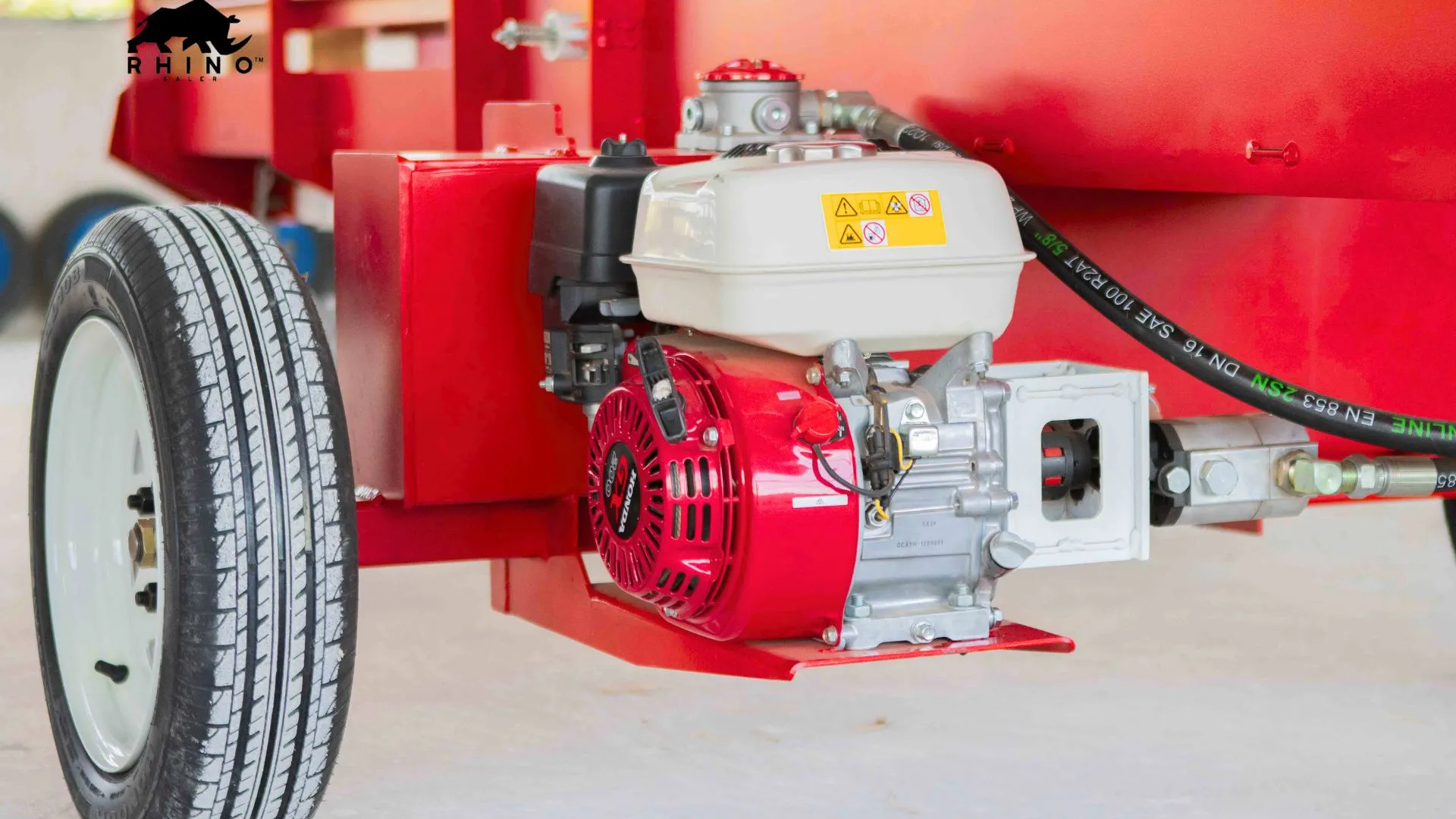
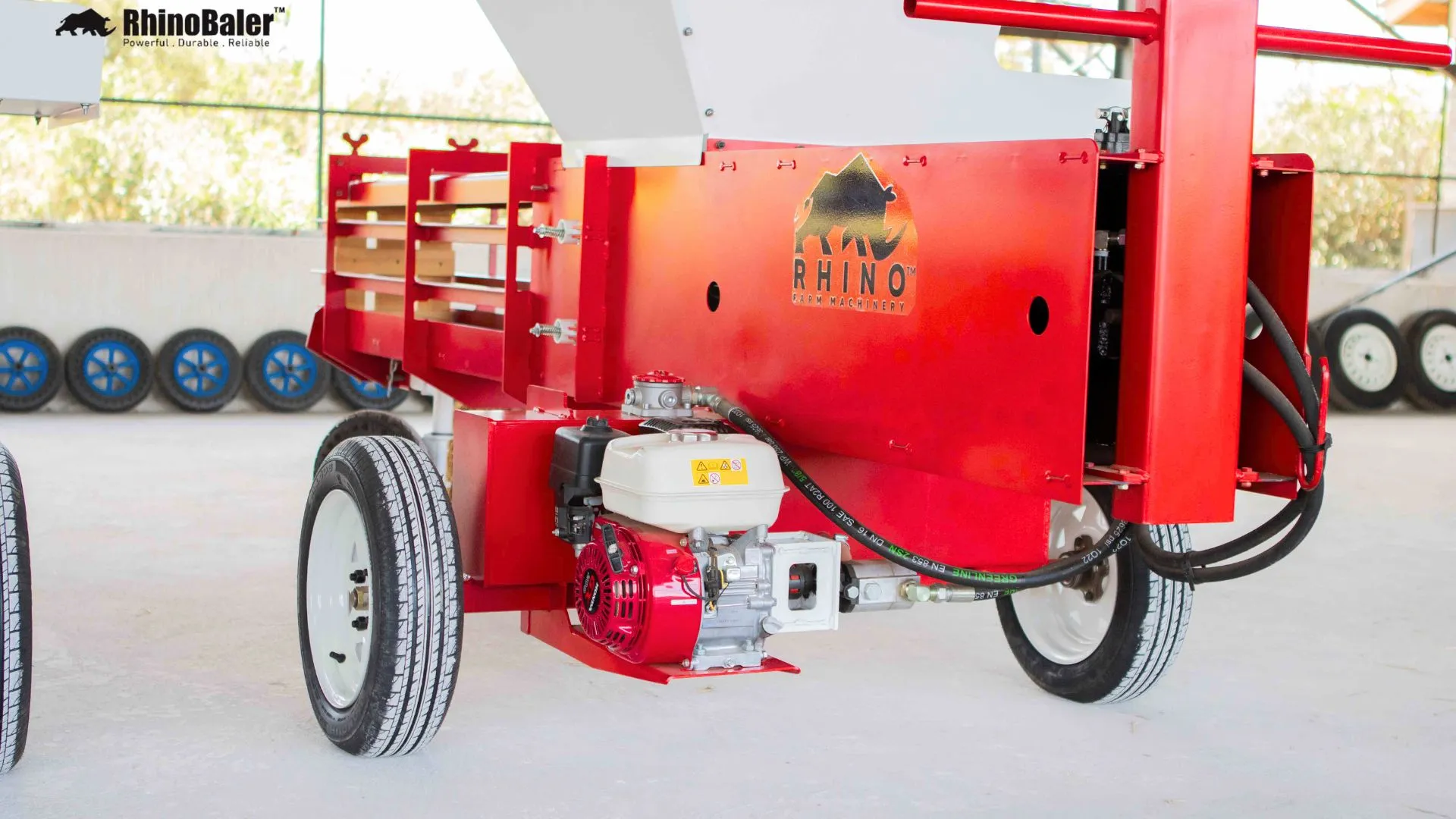
Introducing the hand-loaded baler—an innovation built specifically for farmers in East Africa. This baler is designed to address the unique challenges of the region. It is a standalone machine that has a chassis with a 5-year warranty and is powered by a reliable Honda GX200 engine, which comes with a 6-month warranty. Its hydraulic cylinder delivers 20 tons of force, producing 12-16 bales per hour—all without requiring a tractor.
With this baler, farmers can bale their own hay and feed year-round, avoiding reliance on costly, low-quality fodder during droughts. Instead of paying Ksh 300–600 per bale for feed, farmers can store nutritious grass, corn stalks, or crop residues, ensuring healthier livestock and consistent milk production, even during tough seasons. The baler is priced at Ksh 800,000/- only.
Want to help make a difference?
Partnering with A Better World, we now offer a 33% subsidy on Rhino Balers in Kenya. Your support scales practical tools for farmers and earns a Canadian tax receipt. Donate below to the “Kenyan Rhino Baler Project” to make a real difference.
What Makes Us Unique?
Rhino Baler empowers smallholder farmers to secure sustainable feed resources, improving livestock productivity and overall farm profitability. By facilitating localized and efficient feed production, our baler contributes to the broader economic stability and resilience of farming communities in Kenya and East Africa.
Hand-Loaded and Hydraulic-Powered
Rhino Baler operates without the need for a tractor, making it ideal for small-scale farming operations.
Durable Engine
Powered by the reliable Honda GX200 engine, it delivers a robust 20 tons of force, producing 12-16 bales per hour.
Compact and Standalone Unit
This design ensures ease of use and versatility, fitting seamlessly into a variety of agricultural settings.
Gallery
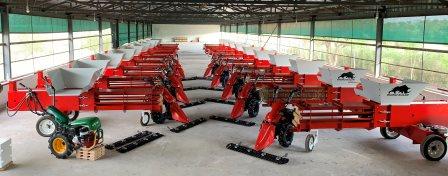
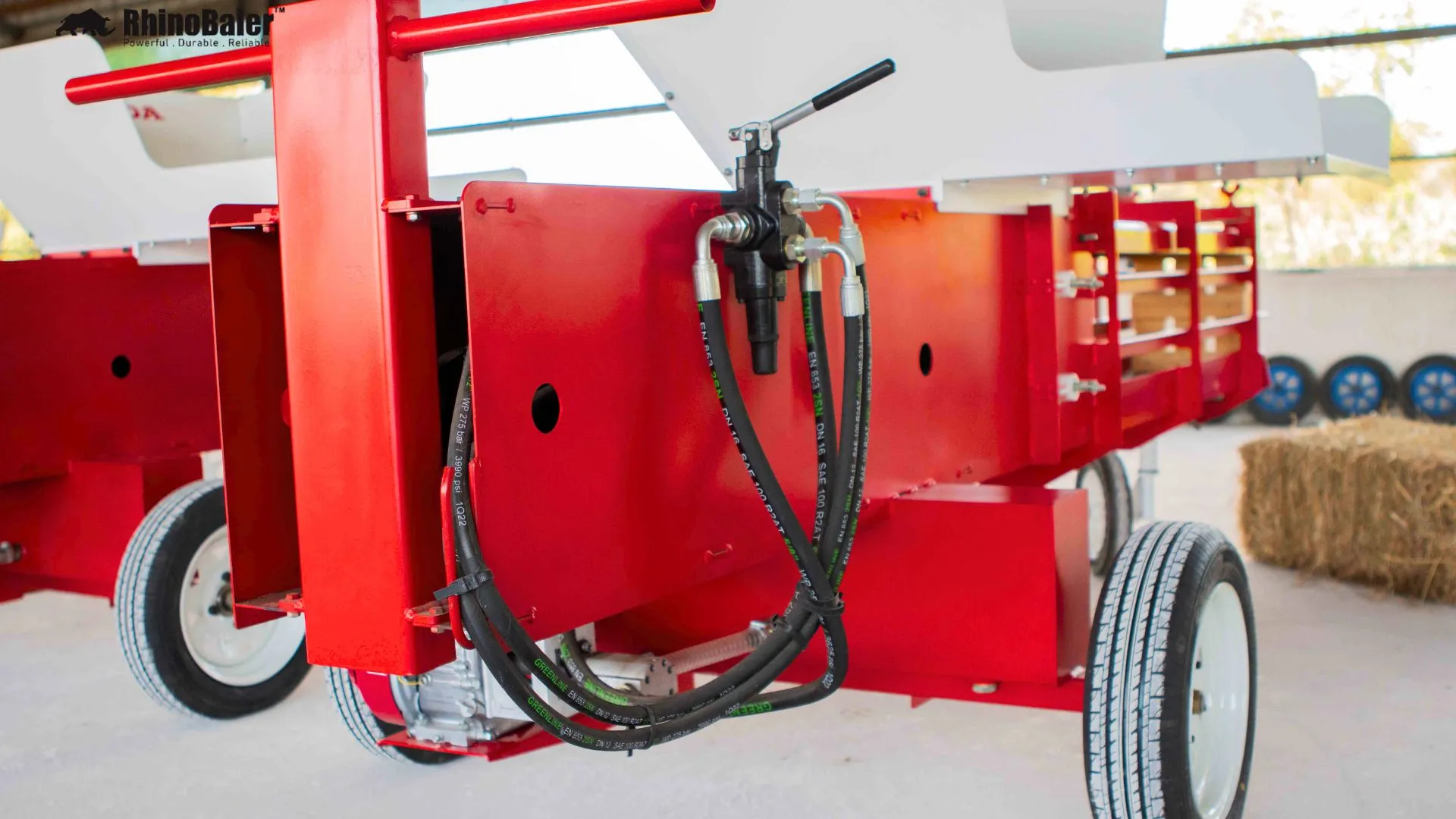
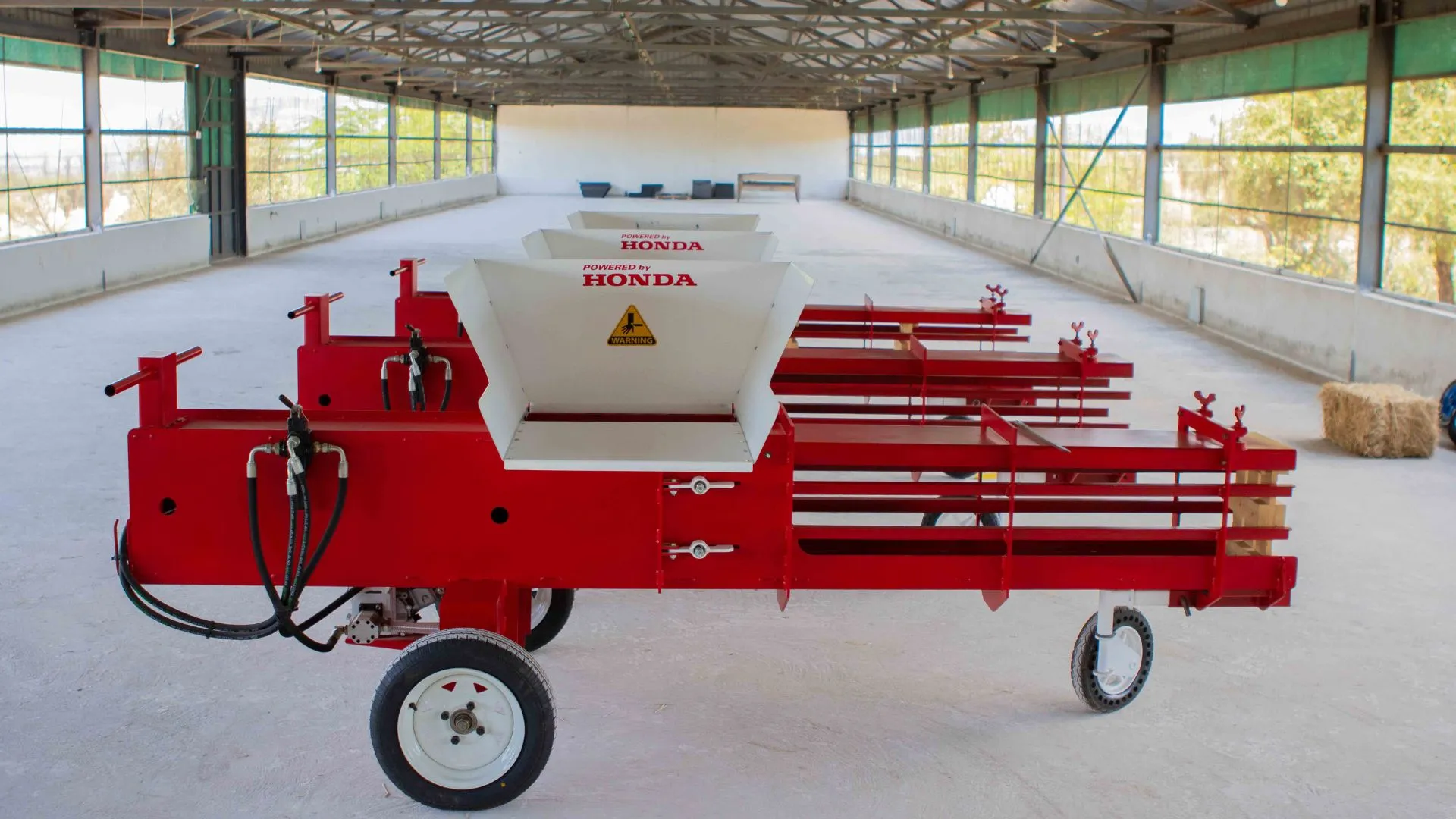
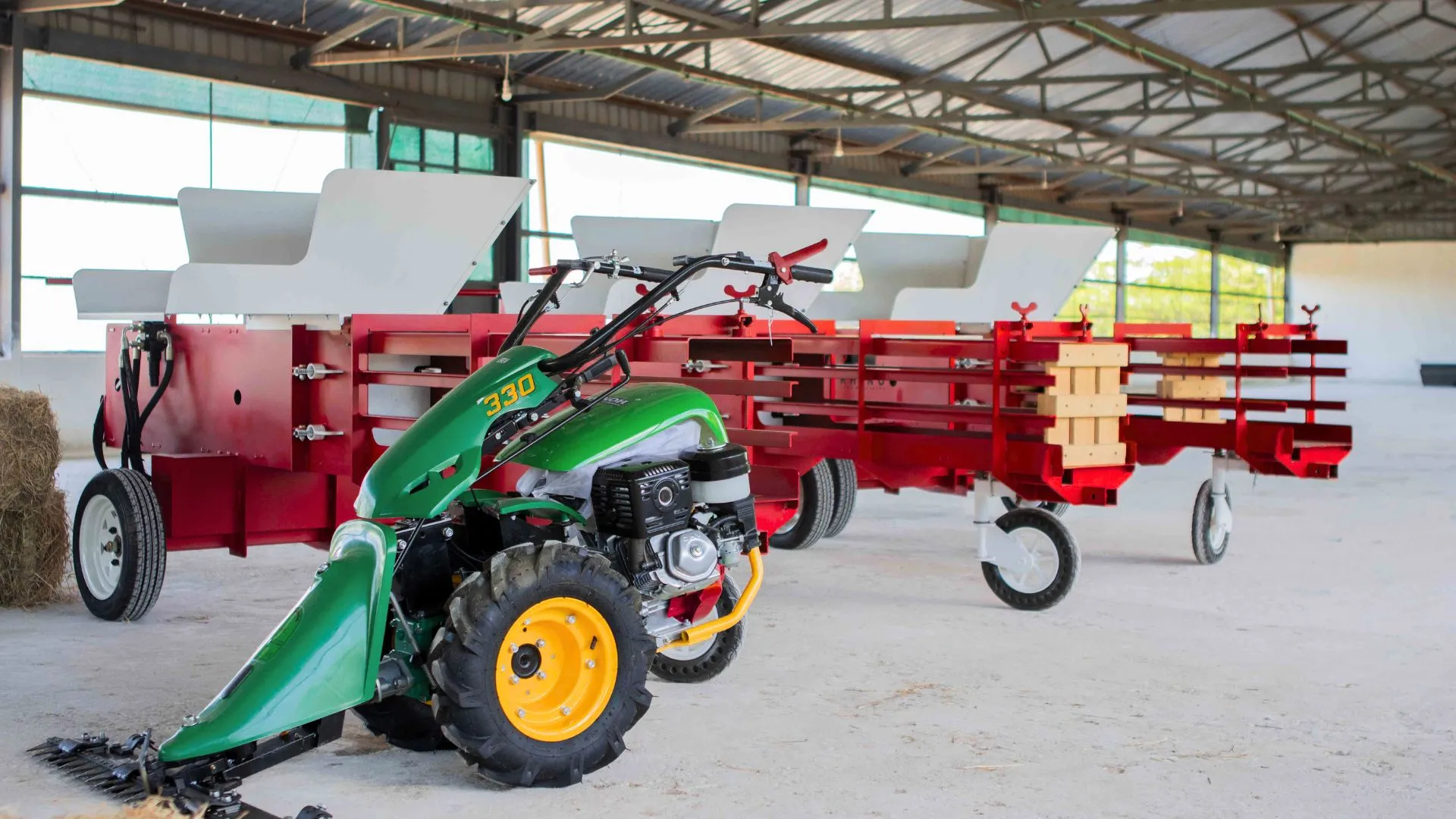
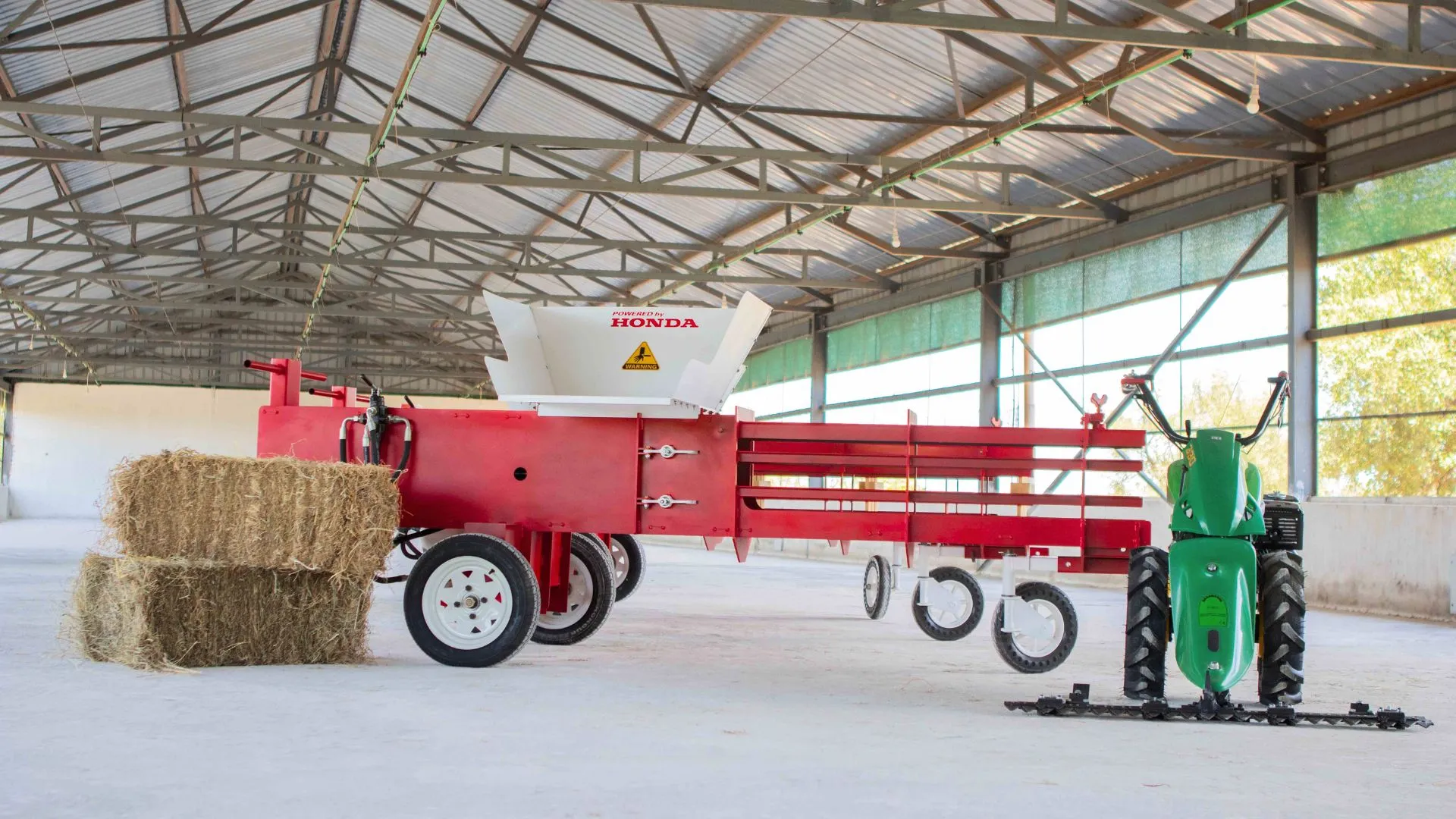
First baling Machine delivered to Kenya
Rhino Baler at work
Rhino Baler Welding
FAQ's
Welcome to the Rhino Baler FAQ section! Here, we answer common questions about our innovative feed management solution for farmers across Kenya and East Africa
What is the Rhino Baler, and how does it work?
The Rhino Baler is a hand-loaded, hydraulic-powered baling machine specifically designed for smallholder farmers in East Africa. It compacts various types of feed, such as grass, corn stalks, and crop residues, into manageable bales. The baler has a chassis with a 5-year warranty and is powered by a reliable Honda GX200 engine, which comes with a 6-month warranty, it requires no tractor, making it affordable and accessible for farmers without mechanized equipment.
Why is this baler better suited for farmers in East Africa compared to traditional models?
Unlike expensive imported models, the Rhino Baler is priced at Ksh 800,000, making it affordable for small-scale farmers and cooperatives. It is also designed for independent use, eliminating the need for a tractor. Additionally, it can produce 12-16 bales per hour, helping farmers store nutritious feed for drought seasons and avoid costly hay purchases.
How does using the Rhino Baler benefit me financially?
A single season’s use on a 15-acre field can yield up to 1,200 bales of feed. Selling or saving on these bales can help recoup the initial investment of Ksh 800,000 often within the first year. This offers ongoing savings in feed costs and even the opportunity to sell surplus bales.
What type of feed materials can the baler handle?
The Rhino Baler can process a range of materials, including grass, corn stalks, and other crop residues. This flexibility allows farmers to make use of available resources to create sustainable feed stores.
How reliable is the Rhino Baler, and what kind of maintenance does it require?
The baler has a chassis with a 5-year warranty and is powered by a Honda GX200 engine, which comes with a 6-month warranty durability and reliability and regular maintenance is minimal, involving basic upkeep like oil changes and hydraulic checks to ensure optimal performance.
Is financing or a payment plan available to help purchase the baler?
Financing options are available through local agricultural banks or cooperatives, and NGOs or government programs focused on rural development may offer funding assistance for smallholder farmers and cooperatives to acquire equipment like the Rhino Baler.
Can the baler be shared among community members or cooperatives?
Yes, the Rhino Baler is an ideal tool for cooperatives or community-based organizations (CBOs), enabling shared ownership and maximizing productivity across multiple farms. This setup not only reduces the cost per farmer but also helps build local feed supply chains.
How does the Rhino Baler contribute to drought resilience?
By allowing farmers to store their own feed, the baler reduces reliance on expensive, low-quality hay during droughts, ensuring healthier livestock and continuous milk production. It ultimately helps safeguard farmers’ livelihoods and improves food security.
Can the Rhino Baler be used to generate additional income?
Yes! Farmers can bale surplus feed and sell it to neighboring farms, turning the Rhino Baler into an income-generating asset. This provides additional revenue streams and can help fund further investments in farming infrastructure.
How does the Rhino Baler align with sustainability goals?
The Rhino Baler empowers farmers to create local feed sources, reducing dependence on external suppliers. This leads to more sustainable and resilient communities, aligning with regional goals for food security and sustainable agricultural development.
How long does it take to pay back the cost of the baler ?
The Baler pays itself back in 20 days of baling 8 hours a day
Contact Us Today
Reach out to us through the form below, email, or phone. We’re committed to providing prompt and helpful responses to support farmers and promote agricultural resilience across East Africa.